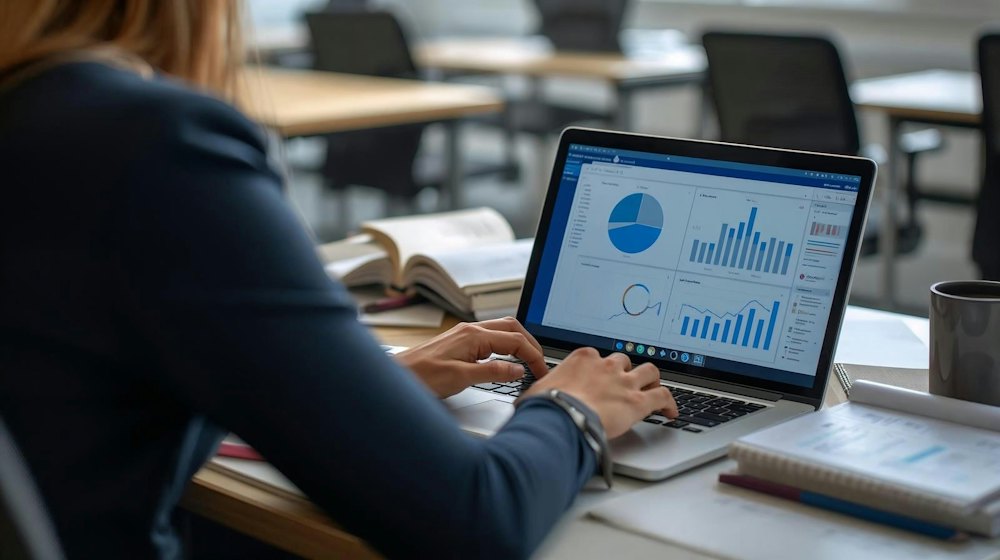
What is online bookkeeping?
It is maintaining accounting records through digital tools and secure remote document workflows rather than requiring paper records to be delivered to an office.
Is online bookkeeping suitable for a small business?
Often, yes. Suitability depends on transaction frequency, software, data accessibility and who approves the underlying transactions.
Which software do you support?
Software should be confirmed after reviewing your existing platform, access needs and capabilities; we do not claim certified partnerships with any vendor.
Can I keep using Tally?
An existing Tally workflow can be assessed. Remote access, exports and version compatibility must be checked before agreeing delivery.
Will you migrate my old data?
Migration can be proposed separately after assessing file format, historical accuracy and required opening balances.
How do I upload invoices?
A secure submission method and permission roles should be agreed before uploading invoices or personal information.
Who owns my accounting data?
Ownership, permissions, access termination and return/export of records should be defined in the client agreement.
Can multiple branches use the same process?
Potentially. We would need to understand branch identifiers, banking, location-wise GST treatment and consolidation needs.
Can I see my books at any time?
That depends on your chosen software and access rights; a reporting cadence does not by itself guarantee real-time accounting.
Do you handle e-commerce settlements?
Marketplace and gateway reconciliations may be included after reviewing the payout reports and volumes.
Is online bookkeeping the same as tax filing?
No. Bookkeeping prepares and maintains records; returns and representation are separately scoped.
How much does remote bookkeeping cost?
A quote reflects transaction volumes, banking channels, data cleanup, software and reporting requirements.